Joint ELISE-ELIAS Flagship Workshop: Setting out for AI innovation in Europe

Joint ELISE-ELIAS Flagship Workshop: Setting out for AI innovation in Europe
Joint ELISE-ELIAS Flagship Workshop: Setting out for AI innovation in Europe

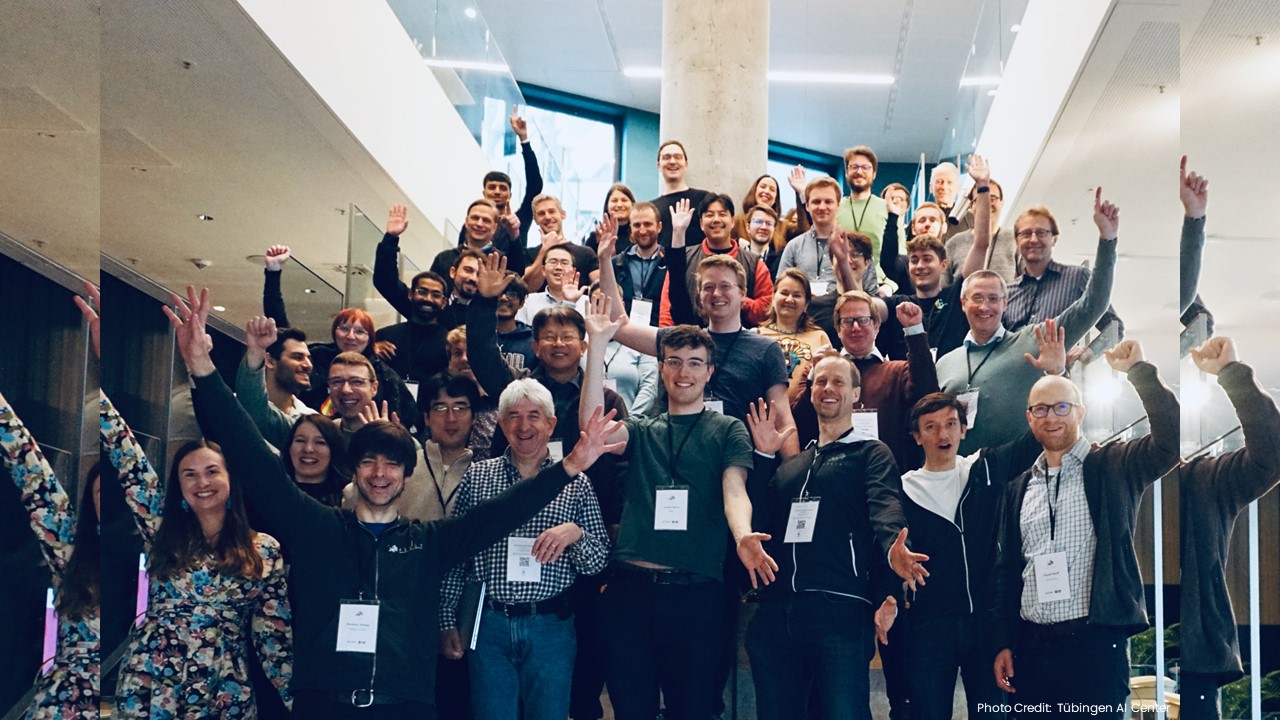
The Joint ELISE-ELIAS Flagship Workshop, held on February 7-8, 2024, in Frankfurt, Germany, served as a crucial platform for discussing the future of open-source foundation models and sciencepreneurship in Europe. It brought together leading academic researchers and  industry experts to agree on a roadmap with tangible actions to build the ELIAS Innovation Alliance (EIA). A key objective of the pan-European alliance is  to boost academic education and to join forces on the development of open source foundation models and startups. The workshop was co-rganised with ELISE – European Network of AI Excellence Centres, funded by the European Union’s Horizon 2020 research and innovation programme under grant agreement No 951847. Both AI Excellence Networks, ELISE and ELIAS, are closely related to the European Laboratory for Learning and Intelligent Systems (ELLIS) and committed to driving innovation and excellence in the European AI landscape.

The Future of Open-Source Foundation Models

The pursuit of enhanced generalisation capabilities in machine learning has fuelled a trend towards homogenisation and convergence, with a growing reliance on a few foundational AI systems for a broad array of applications. The first part of the workshop focused on identifying opportunities and approaches for Europe and Academia to play a significant role in shaping the Future of Open-Source Foundation Models.,

Various  speakers, including Yann LeCun from Meta, Katharina Frey from the Swiss Foreign Ministry presenting the ICAIN initiative, Laura Morselli from CINECA & EuroHPC, Jenia Jitsev from LAION, Ce Zhang from Together AI, Samuel Weinbach from IPAI Aleph Alpha, and Daniel Naeff from ETH presenting Swiss AI provided diverse perspectives on leveraging open-source models to foster innovation.
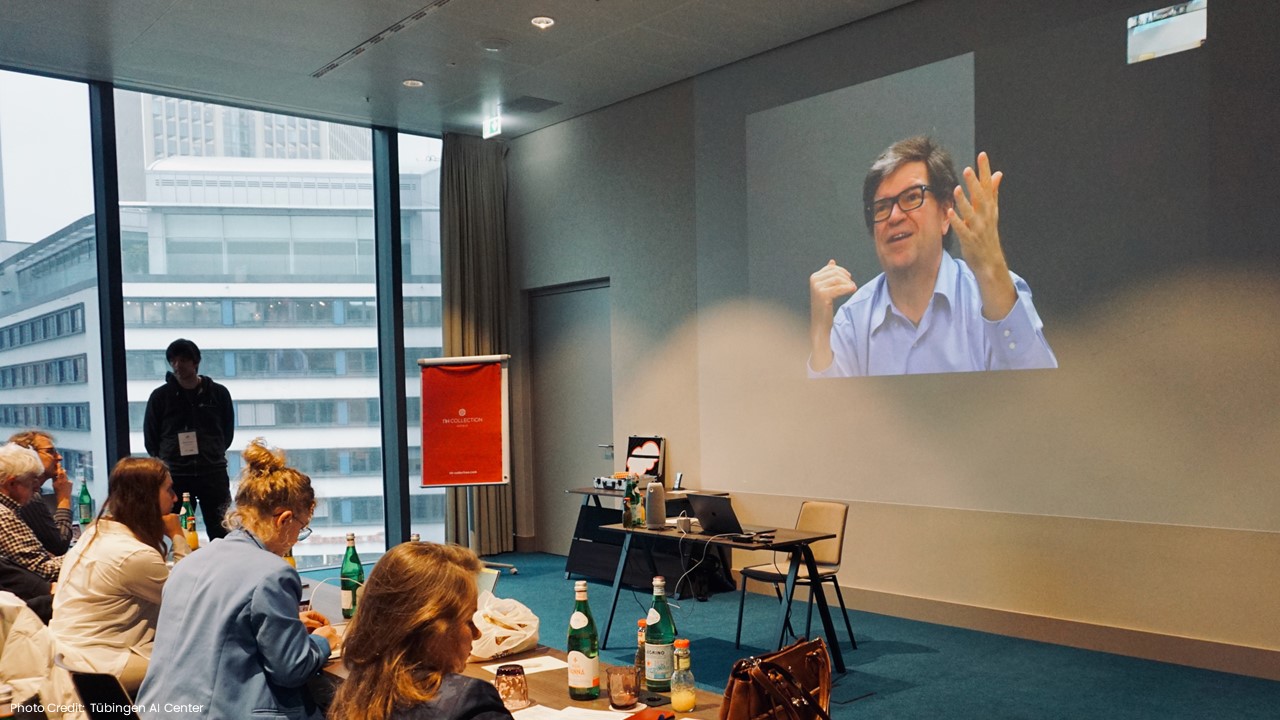
Yann Lecun (Meta)
Yann Lecun (Meta)
ELLIS Workshop_4
Katharina Frey (Swiss Foreign Ministry, ICAIN) 
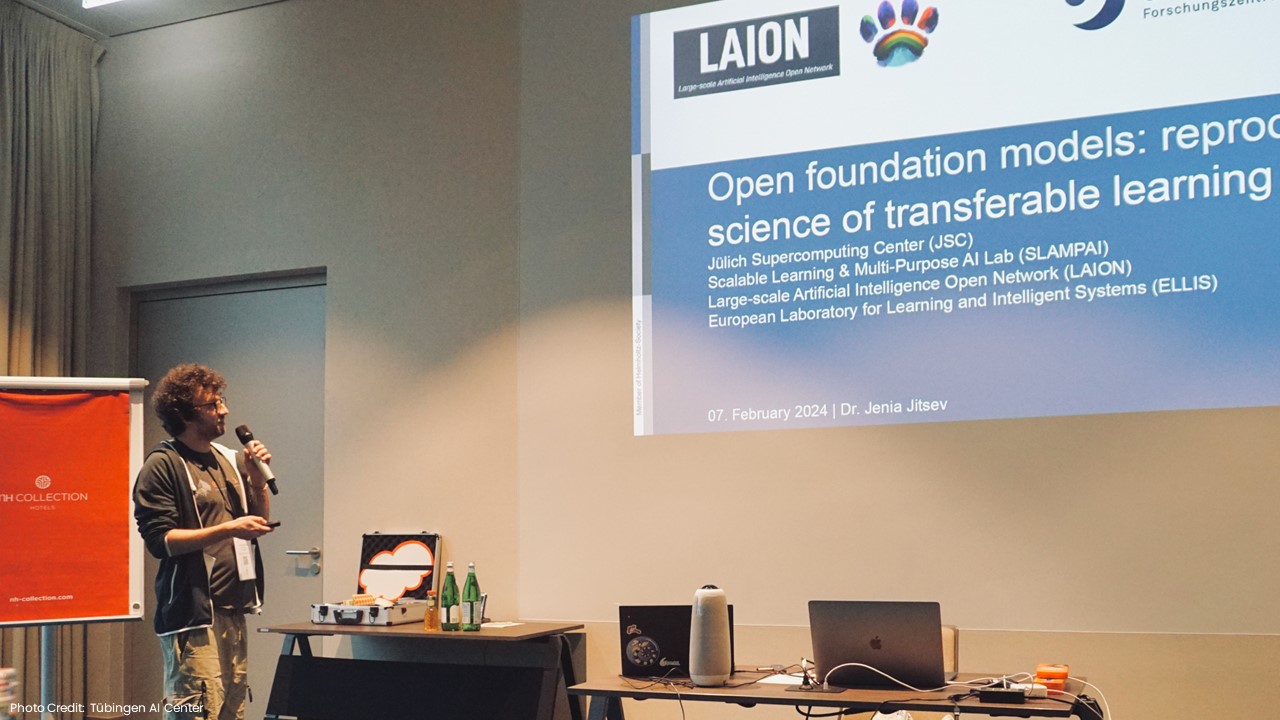
ELLIS Workshop_5
Jenia Jitsev (LAION, Jülich Supercomputing Center)

Discussions during the sessions spanned various themes from practical applications to the ethical implications of AI advancements and how to  define effective roles for  academia and industry to foster positive innovation for society.

Matthias Bethge, Director of the Tübingen AI Center, ELLIS Fellow, and main organiser of the workshop, highlights: (INSERT QUOTE >> ideally, give some concrete examples summarising the outcomes of the talks)

Building AI: Exploring a new role for Academia

The focus then shifted towards exploring avenues for reinventing innovation within Europe and academia. Considering the pressing demand for fundamental solutions to improve sustainability and societal well-being, Europe and academia should seize the opportunity to spearhead innovation. In the short term, initiatives will be set up to support AI professors in mentoring students towards foundational innovation and to establish an ELIAS graduate project programme. The participants also developed a vision for forming sciencepreneur units and sciencepreneur fellows within the ELLIS network, which will serve as structural enablers for change. The day finished with a short presentation of ELIAS and its initiatives to support the sciencepreneurial community at large. 

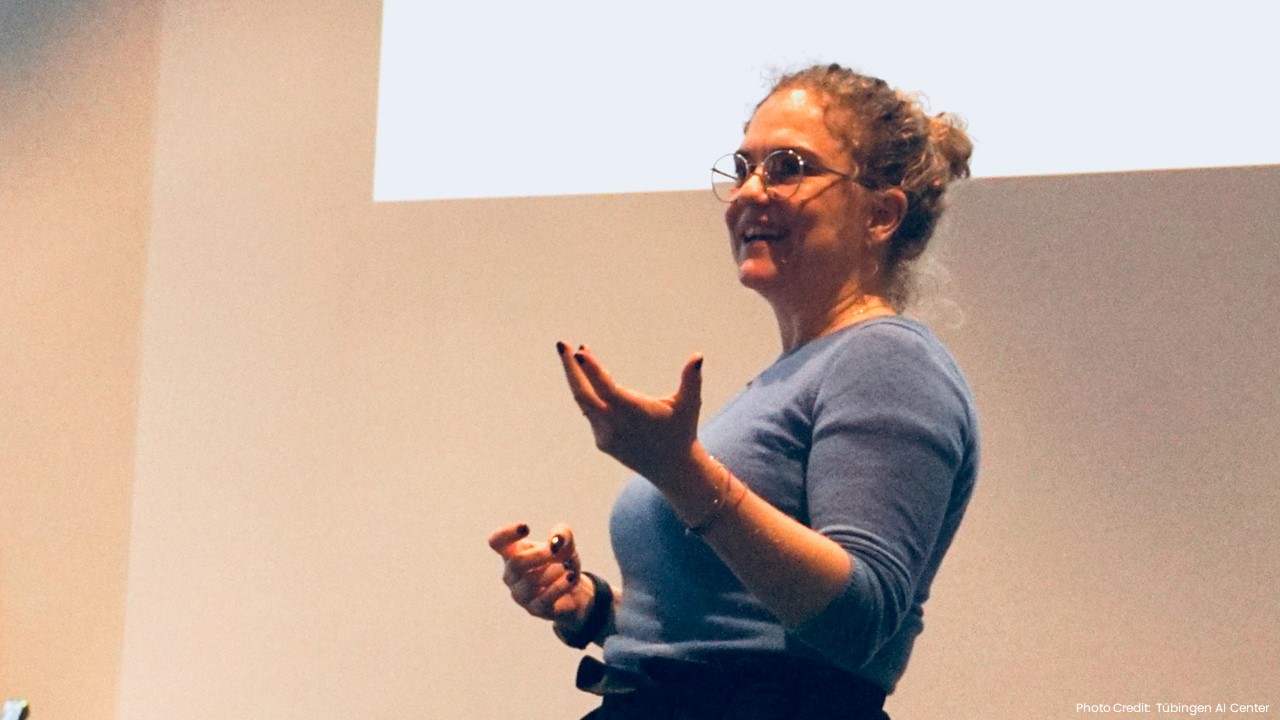
Day two focused on entrepreneurship education and innovative projects. Gregor von Dulong presented best practices from building and scaling entrepreneurship education at Hasso Plattner Institute (HPI), while Isabelle Siegrist shared insights on how to set up a pan-European accelerator. As a tangible example of applying AI for sustainability, Wieland Brendel introduced Polybot, a flexible robot designed to enable sustainable agriculture with polycultures. Connecting these diverse projects is a common theme highlighting the strategic importance of fostering cross-border and cross-disciplinary collaborations in driving AI startups forward.
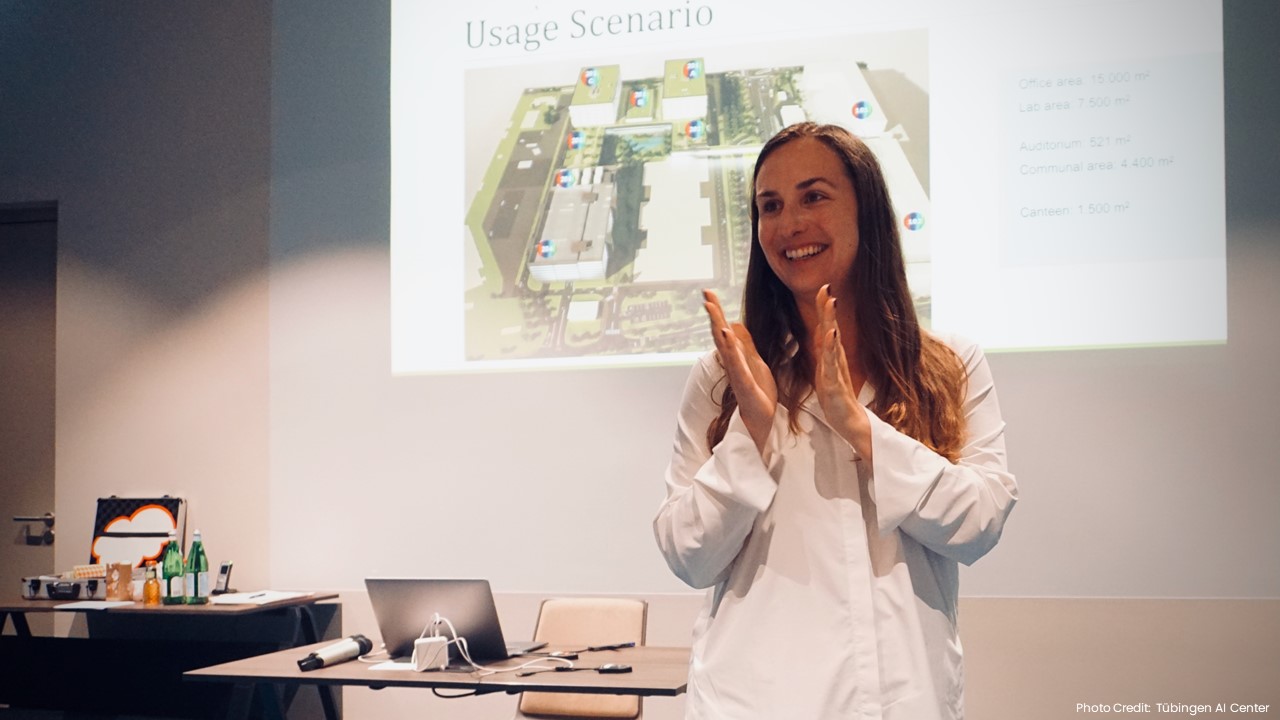
 

ELLIS Workshop_4
Isabelle Siegrist (ETH Zürich)

Additional spotlight presentations rounded off the program: Steffen Schneider from KI macht Schule (bringing AI to the classroom), Le Viet from La Famiglia (VCs backing EU tech ventures) and Beyza Ermis from Cohere AI (building multilingual AI through open science).

The workshop participants then split up into breakout groups, tackling key challenges and opportunities in the field of sciencepreneurship, with a focus on building the ELIAS Innovation Alliance (EIA). EIA aims to boost academic education around the open-source development of foundation models, supported by a network of incubators and startups building proprietary products around this concept. Aligned with the vision of ELLIS, it seeks to mobilise European talent in AI innovation through a network of members, fellows, and units.

Niculae Sebe, Professor at the University of Trento and Coordinator of the ELIAS project, highlighted: “This workshop was one of the initial steps towards establishing a pan-european sciencepreneurial network and bringing together leaders from academia and industry. It presented an excellent opportunity to lay the foundation for the future ELIAS Innovation Alliance.”
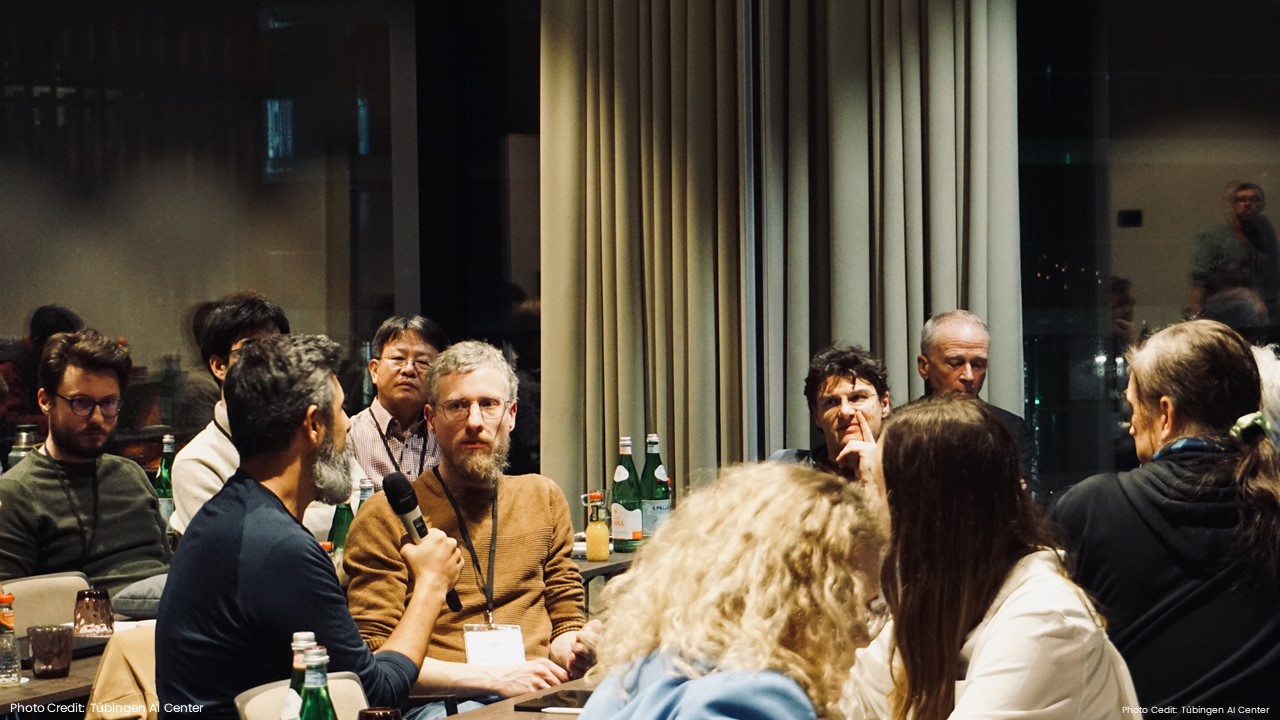
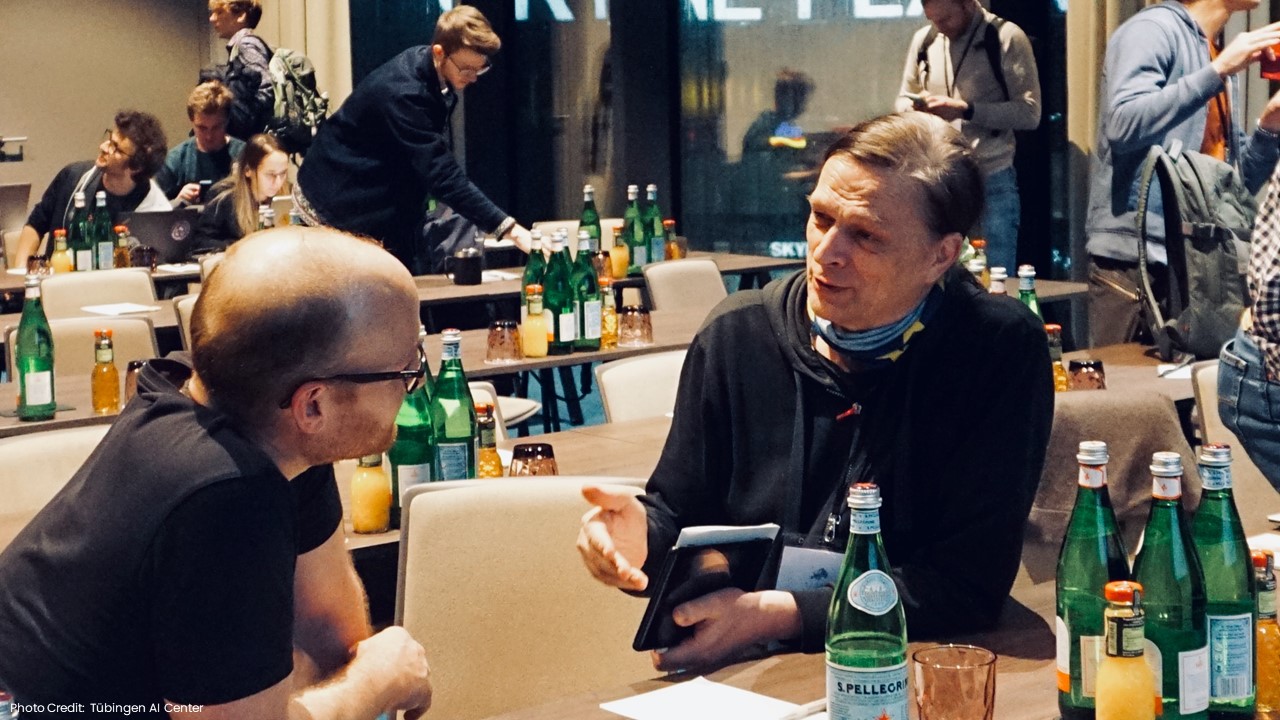
ELLIS Workshop_1
ELLIS Workshop_4

Concrete outcomes of the workshop and break-out groups include proposals for annual meetings, transformative technology summer schools, hackathons, pioneer awards, MSc graduate programs, pan-European accelerators, and calls for sciencepreneur fellows and units, all of which underscore the networks’ collective commitment to fostering innovation in Europe.
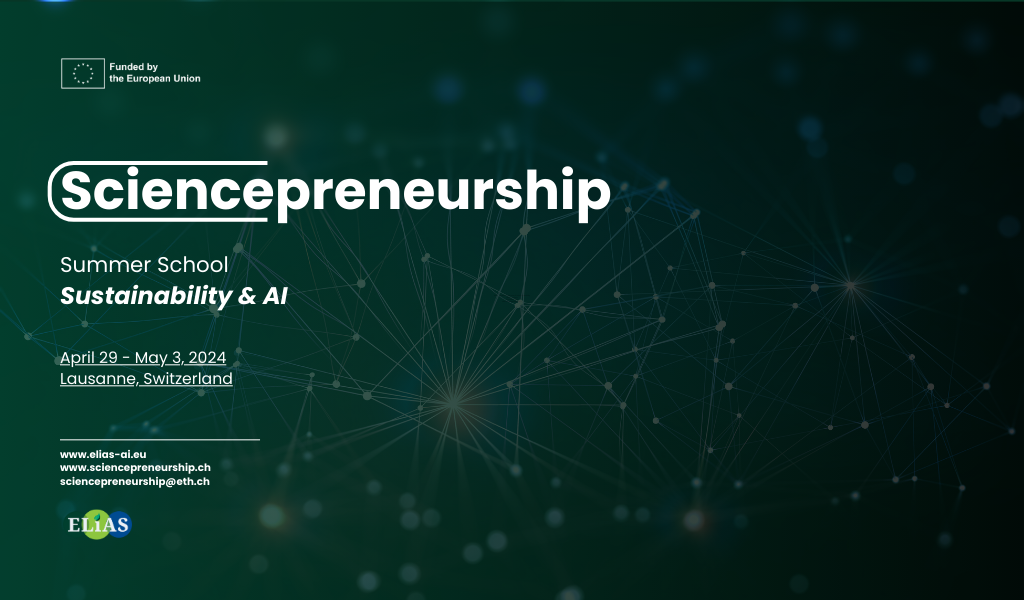
Sciencepreneurship Summer School 2024: Sustainability & AI

Sciencepreneurship Summer School 2024: Sustainability & AI

Rolling admissions – deadline March 22, 2024

April 29 – May 3, 2024 ― Lausanne, Switzerland

A week-long summer school of talks, workshops, and socials on turning scientific innovation into societal impact through entrepreneurship.

    accomodation included | travel grants available | course credit (1 ECTS)

    Aim

    The aim of this summer school is to address the following questions by sharing knowledge, experiences, and pitfalls about how to transform scientific advances into societal impact through entrepreneurship:

    • How can science be directly valuable for society and scale from lab to market?
    • How to get and choose the right team, funding, advisors, and legal setup?
    • What are common pitfalls in this process, and how to avoid them?
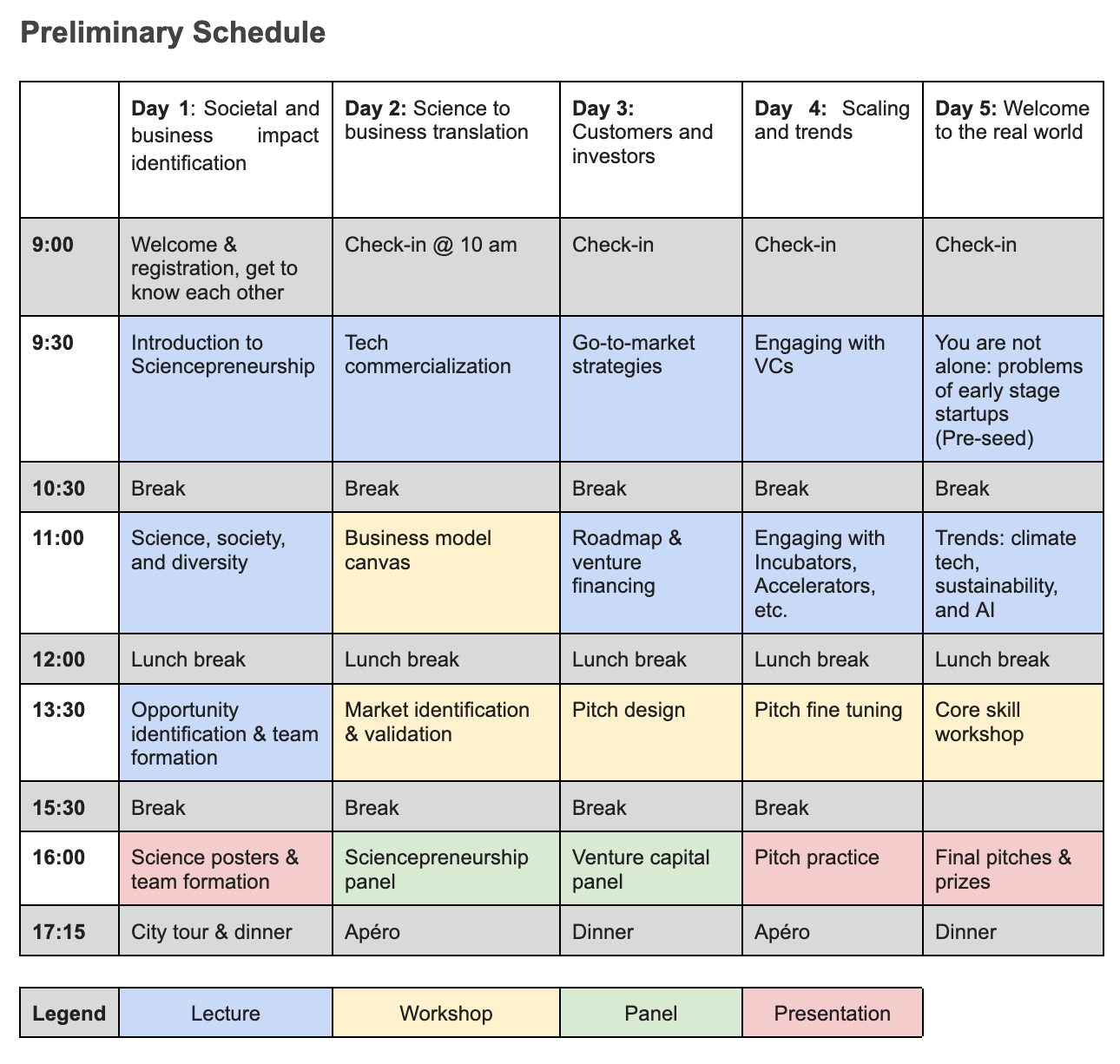
    Program

    The program of this summer school is tailored to provide the participants with a framework to develop the societal impact of scientific advances.

    • First, participants present a scientific innovation and form co-founding teams. 👩‍🔬🧑‍🔬
    • Then, putting the school its lectures, workshops, and socials into practice, teams shape their science-based business. 🚀
    • Finally, participants pitch their work to a jury, receive feedback, and compete for a prize. 🏆

    Entrepreneurial graduate students from any institute

    The Sciencepreneurship Summer School focuses on enhancing the exchange between entrepreneurially interested graduate students – mainly PhD students – from EPFL, ETH Zurich, and other leading institutes from around the world. Participation is highly competitive and the total number of participants is limited with admissions on a rolling basis.

    The organizing committee is committed to creating a diverse and inclusive summer school. We encourage all students with an interest to apply. If you have any questions regarding eligibility, feel free to reach out.

    Got any questions? You can reach us on arnout.devos@epfl.ch

    ELIAS Consortium Member Nuria Oliver Joins International Scientific Expert Advisory Panel on Advanced AI Safety

    ELIAS Consortium Member Nuria Oliver Joins International Scientific Expert Advisory Panel on Advanced AI Safety

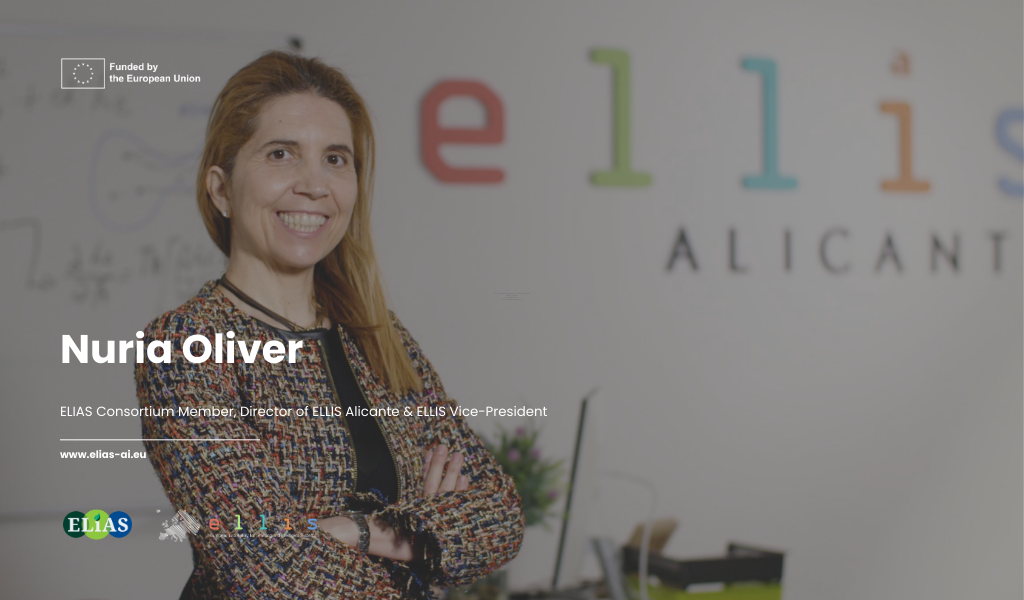
    Nuria Oliver, Director of ELLIS Alicante and Vice-President of ELLIS, has been selected to join an esteemed international advisory body tasked with providing expert insights for the “International Scientific Report on Advanced AI Safety.” Representing Spain, Nuria Oliver joins 32 experts from 30 nations, as recently announced by the Department of Science, Innovation & Technology of the British Government.

    The first-of-its kind report will drive an up-to-date, science-based understanding of the safety and risks of cutting-edge advanced AI systems. Announced at the AI Safety Summit in November 2023, the UK has commissioned Canadian computer scientist Yoshua Bengio, a Turing Award-winning AI academic and member of the UN’s Scientific Advisory Board on AI, to chair the report. The report will serve as a reference point and working tool in upcoming AI safety summits.

    The panel members will advise the Chair on the content of the report and are expected to share and promote its findings in their own countries, ensuring that they may guide policymakers and technologists to make informed decisions regarding AI safety. The first publication is expected to take place in the Spring of 2024 and a second iteration will be released at the end of the year. The report is set to become a landmark publication on the most advanced scientific research about the risks and capabilities of frontier AI development. It aims to cement the scientific community’s drive to ensure that discussions on AI safety remain an international collaborative endeavor, bringing together global expertise and diverse perspectives.

    Aside from Nuria Oliver, members of the Expert Advisory Panel represent all continents, including Dr. Hiroaki Kitano, CTO of Sony; Amandeep Gill, UN Tech Envoy; Dame Angela McLean, Chief Scientific Adviser to the UK Government and Saif M Khan, senior adviser to the secretary for critical and emerging technologies at the US department of commerce. A full list of panel members is available here.

    Nuria Oliver, renowned for her over 25 years of research experience in human-centric AI, will contribute her expertise to the panel. Her participation aligns closely with the mission of ELLIS Alicante, a non-profit private foundation dedicated to responsible AI for Social Good. ELLIS Alicante advocates for transparent, user-centric AI development, focusing on critical issues such as algorithmic fairness, privacy, and the societal impact of AI.

    Nuria Oliver, renowned for her over 25 years of research experience in human-centric AI, will contribute her expertise to the panel. Her participation aligns closely with the mission of ELLIS Alicante, a non-profit private foundation dedicated to responsible AI for Social Good. ELLIS Alicante advocates for transparent, user-centric AI development, focusing on critical issues such as algorithmic fairness, privacy, and the societal impact of AI.

    ELLIS Workshop_6

    Nuria Oliver, renowned for her over 25 years of research experience in human-centric AI, will contribute her expertise to the panel. Her participation aligns closely with the mission of ELLIS Alicante, a non-profit private foundation dedicated to responsible AI for Social Good. ELLIS Alicante advocates for transparent, user-centric AI development, focusing on critical issues such as algorithmic fairness, privacy, and the societal impact of AI.

    ELLIS Workshop_6

    Remarkably, Dr. Oliver is not only a distinguished figure within ELLIS but also holds an important role in the ELIAS Consortium, further underscoring her commitment to collaborative efforts in advancing AI research and innovation and addressing AI safety challenges and ensuring the positive impact of AI on society.

    ELLIS Alicante, our partner in ELIAS, will also contribute to identifying use cases demonstrating AI solutions for Trustworthy AI, with a particular focus on addressing the challenges of responsible AI use in online advertising.

    For more information:

    Read the related press release issued by our ELLIS Unit Alicante in Spanish and in English.

    For more information about research conducted at the ELLIS Unit in Alicante, please visit this website. ELLIS Alicante is a non-for-profit private research foundation focused on ethical and responsible AI for social good. Hence, it is also known as the Institute of Humanity-centric AI.

    Contact

    For media inquiries or interview requests, please contact info@ellisalicante.org or pr@ellis.eu.

    AIDA Semester Course : Statistical Methods for Machine Learning

    AIDA Semester Course : Statistical Methods for Machine Learning

    The International AI Doctoral Academy (AIDA) invites you to attend the upcoming semester course by Prof. Nicolo Cesa-Bianchi:

    Statistical Methods for Machine Learning

    This is a course about the theoretical foundations of machine learning and the analysis of machine learning algorithms. The focus is on understanding the mathematical principles at the basis of machine learning.

    Host Institution: Università degli Studi di Milano

    Level: Graduate

    Period: 4 March 2024 –  4 June 2024 

    Course attendance will be asynchronous in English: https://cesa-bianchi.di.unimi.it/MSA/index_23-24.html

    Both AIDA and non-AIDA students are encouraged to participate in this course for free (Maximal registrant number: 10 students.

    The International AI Doctoral Academy (AIDA), a joint initiative of the European R&D projects AI4Media, ELISE, Humane AI Net, TAILOR, VISION, supports a world-level AI education and research program. AIDA has regular lecture series, short courses, semester courses, and summer schools with the participation of hundreds of academics and serving a growing community of AI PhD students and researchers.

    How to apply:

    If you are an AIDA Student* already, please:

    •  Step (a): Register in the course by sending an email to the Course Lecturer (nicolo.cesa-bianchi@unimi.it) for your registration. AND
    •  Step (b): Enroll in the same course in the AIDA course link using the ‘Enroll on this course’ button therein, so that this course enters your AIDA Certificate of Course Attendance. If you are not an AIDA Student do only step (a). 

    *AIDA Students should have been registered in the AIDA system already (they are PhD students or PostDocs that belong only to the AIDA Members.

    Advancing AI Frontiers: Exploring Multimodal Foundation Models at ELLIS Workshop

    Advancing AI Frontiers: Exploring Multimodal Foundation Models at ELLIS Workshop

    ELIAS Consortium Members Engage in Cutting-Edge Exploration of Multimodal Foundation Models at ELLIS Workshop

    The ELIAS Project Coordinator Niculae Sebe and Consortium Member Cees Snoek, both directors of the ELLIS Program on Multimodal Learning Systems, lead discourse on advancements in Multimodal Learning Systems.

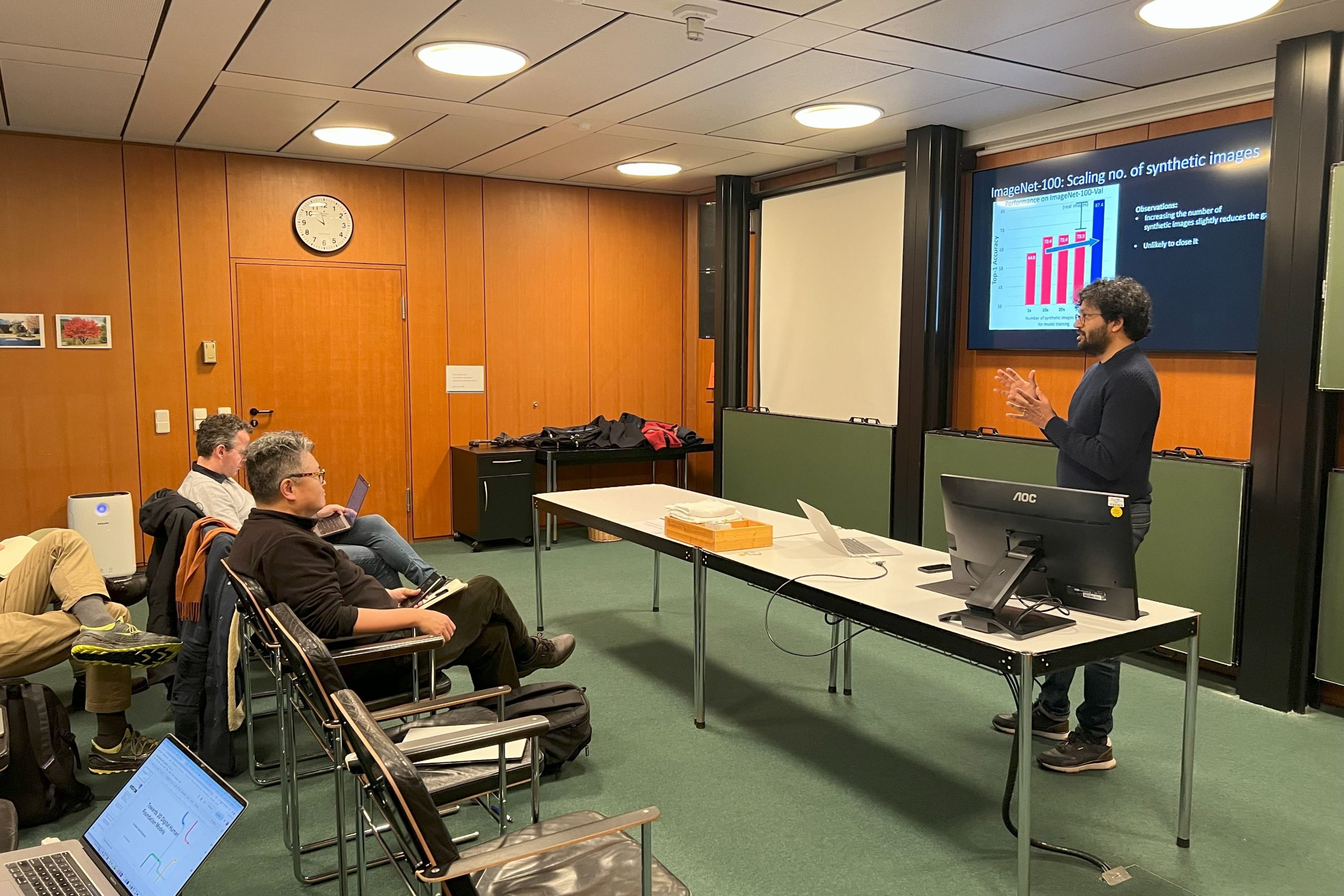
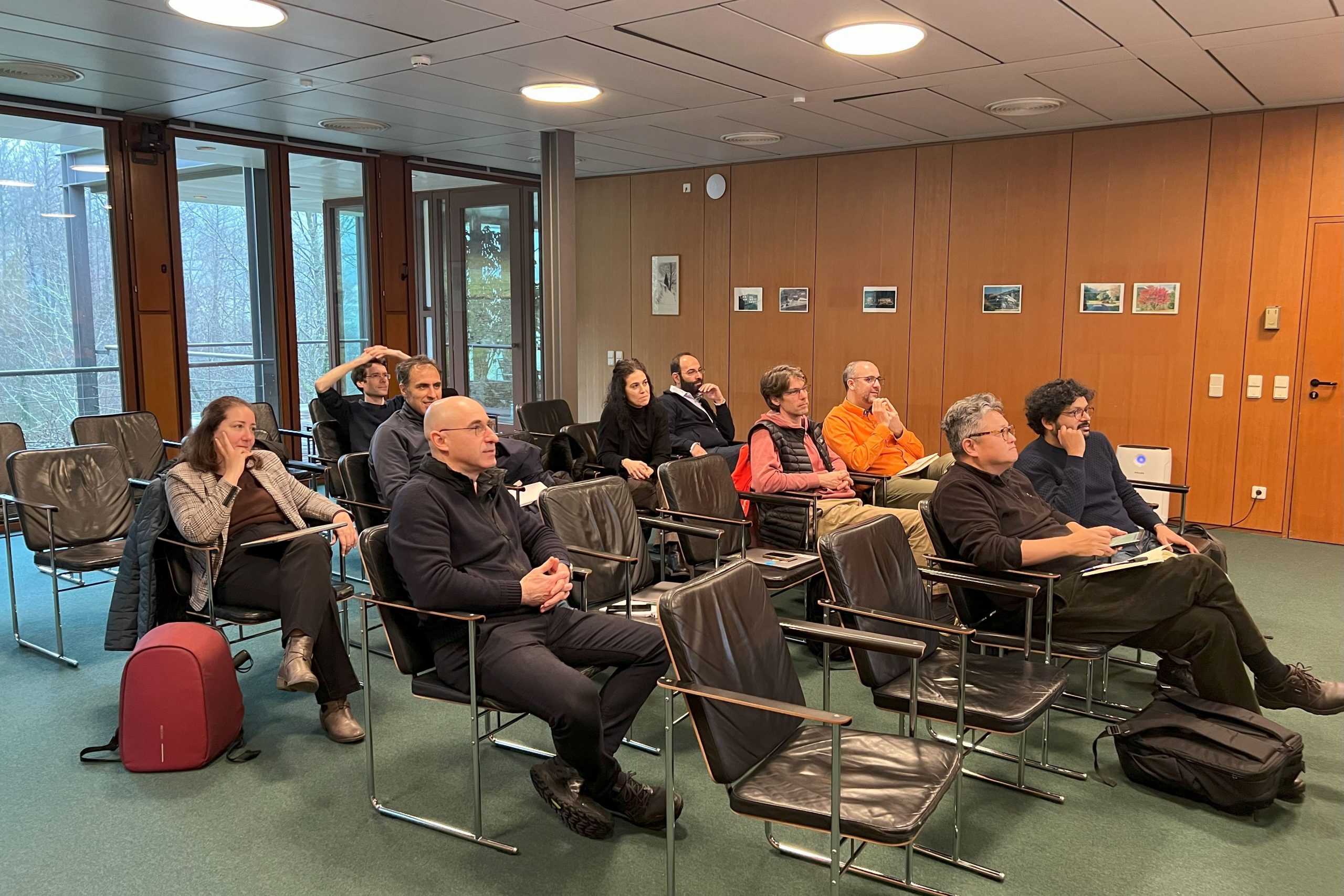
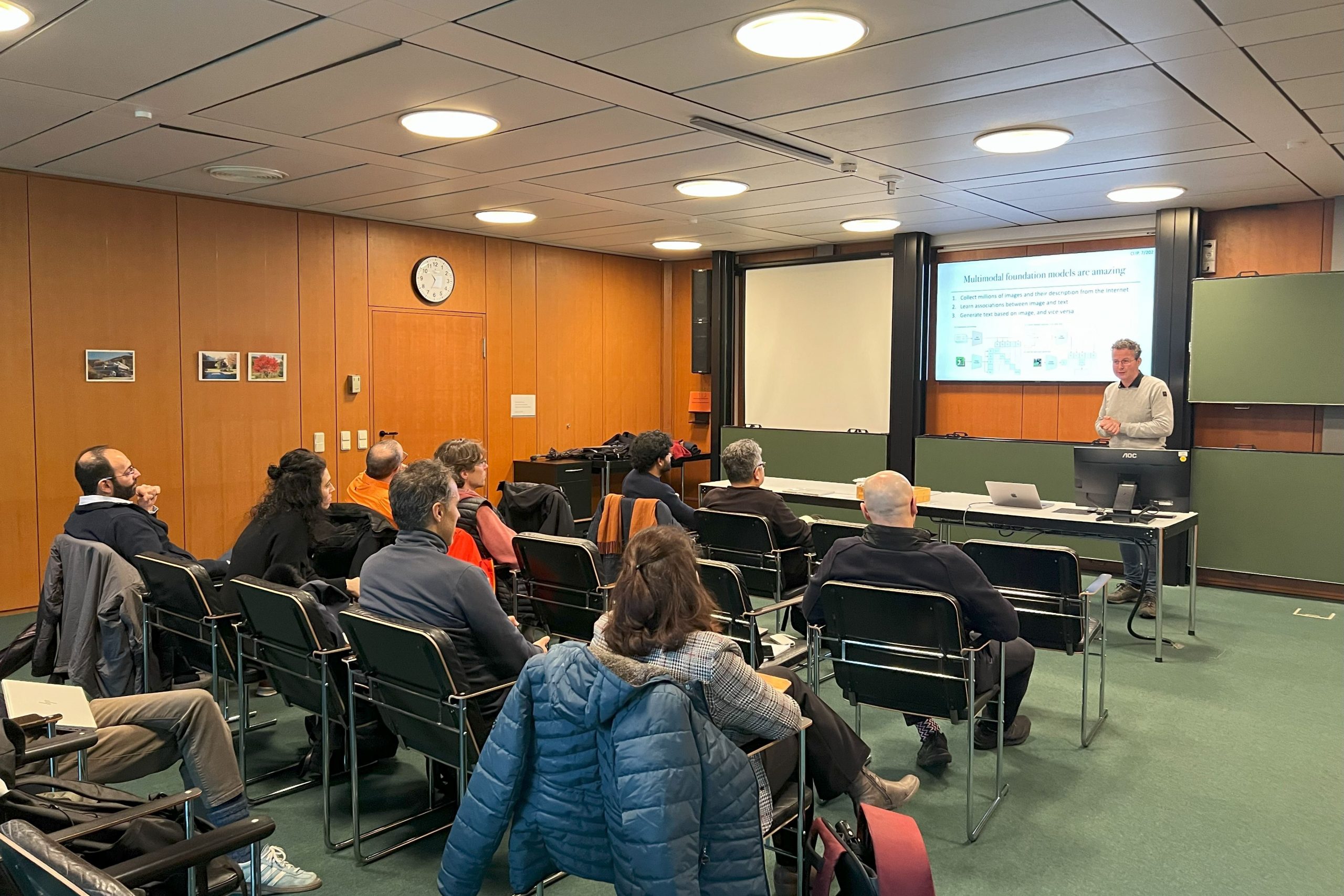
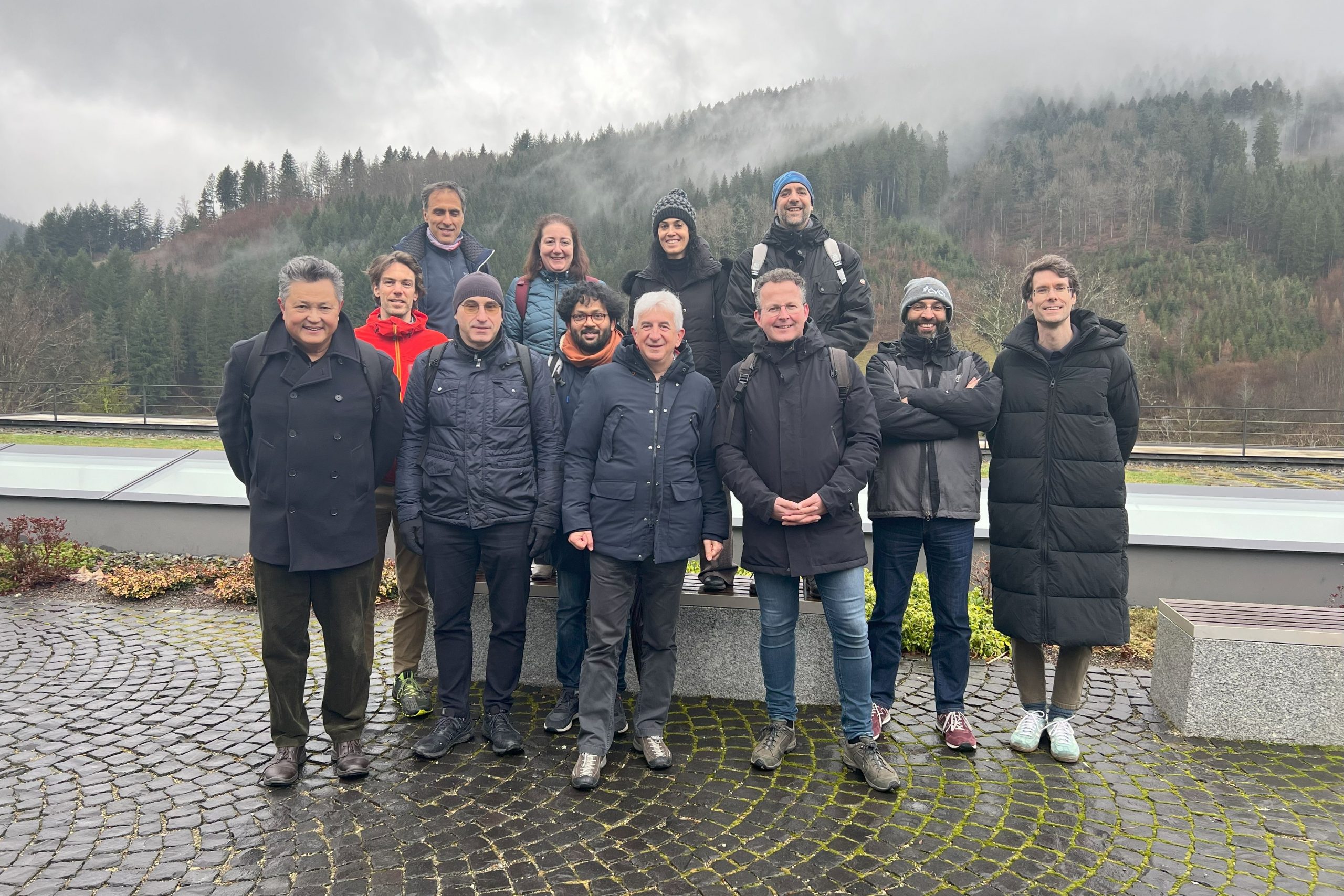
    January 17 – 19, 2024, Oberwolfach-Walke, Germany – In a groundbreaking event, members of the European Lighthouse of AI for Sustainability (ELIAS) consortium gathered at the Mathematisches Forschungsinstitut Oberwolfach (MFO) in Oberwolfach-Walke, Germany, for an important workshop focusing on Multimodal Foundation Models. The workshop, organised by ELIAS Coordinator Niculae Sebe and Consortium Member Cees Snoek, both directors of the ELLIS Program on Multimodal Learning Systems, sought to delve into the intricacies of this paradigm-shifting facet of artificial intelligence.

    Workshop Deliberations: At the epicenter of the discussions were Multimodal Foundation Models, a paradigmatic class of artificial intelligence models renowned for their prowess in synthesizing multifaceted content, ranging from textual information to images, sound, and videos, often via interactive prompts. Models such as ChatGPT, Stable Diffusion, Gemini, and GPT4 were scrutinised for their perceived intelligence, adaptability, and, notably, the ethical concerns associated with their capacity to produce potentially misleading information. The workshop facilitated an international assembly of researchers from both academia and industry to scrutinise recent advancements, deliberate on their impact, and envisage future implications.

    ELLIS Workshop_1
    ELLIS Workshop_4
    ELLIS Workshop_5

    The ELIAS Project Coordinator Niculae Sebe and Consortium Member Cees Snoek, leading figures in the ELLIS Program Multimodal Learning Systems, guided the discussions throughout the workshop. Their leadership underscored the collaborative efforts propelled by ELLIS Programs, fostering interdisciplinary engagements across European scientific communities to propel the frontiers of artificial intelligence.

    ELLIS Workshop_6

    The ELIAS Project Coordinator Niculae Sebe and Consortium Member Cees Snoek, leading figures in the ELLIS Program Multimodal Learning Systems, guided the discussions throughout the workshop. Their leadership underscored the collaborative efforts propelled by ELLIS Programs, fostering interdisciplinary engagements across European scientific communities to propel the frontiers of artificial intelligence.

    ELLIS Workshop_6

    In-Depth Program Structure: The workshop unfolded through meticulously structured sessions, encompassing Foundation Models, Vision & Language, Generative AI, and Multimodality. Renowned experts, including Karteek Alahari, Cristian Sminchisescu, Xavier Alameda-Pineda, Elisa Ricci, Hakan Bilen, Shaogang Gong, Jakob Verbeek, Juergen Gall, Ioannis Patras, Dima Damen, and Dimosthenis Karatzas, shared their insights and research findings.

    European Union’s Scientific Support: This scientific endeavor received financial backing from the European Lab for Learning and Intelligent Systems (ELLIS), aligning with the European Union’s Horizon 2020 research and innovation programme under grant agreement No 951847, known as ELISE – European Network of AI Excellence Centres.

    Future Trajectory: The fruitful discussions and presentations at the workshop are expected to pave the way for further advancements in the field of Multimodal Foundation Models. The collaborative efforts of ELIAS and ELLIS Programs continue to drive progress in artificial intelligence, ensuring its responsible and sustainable development.

    For more information:

    For a detailed breakdown of the workshop’s scientific program, refer to The ELLIS Multimodal Learning Systems Workshop on Multimodal Foundation Models

    For a broader understanding of the ongoing initiatives and endeavors within the ELLIS Program, we invite you to explore the full spectrum of activities at ELLIS Programs.