Sciencepreneurship Summer School 2024 on Sustainability & AI: Empowering Entrepreneurial Innovators

Sciencepreneurship Summer School 2024 on Sustainability & AI: Empowering Entrepreneurial Innovators

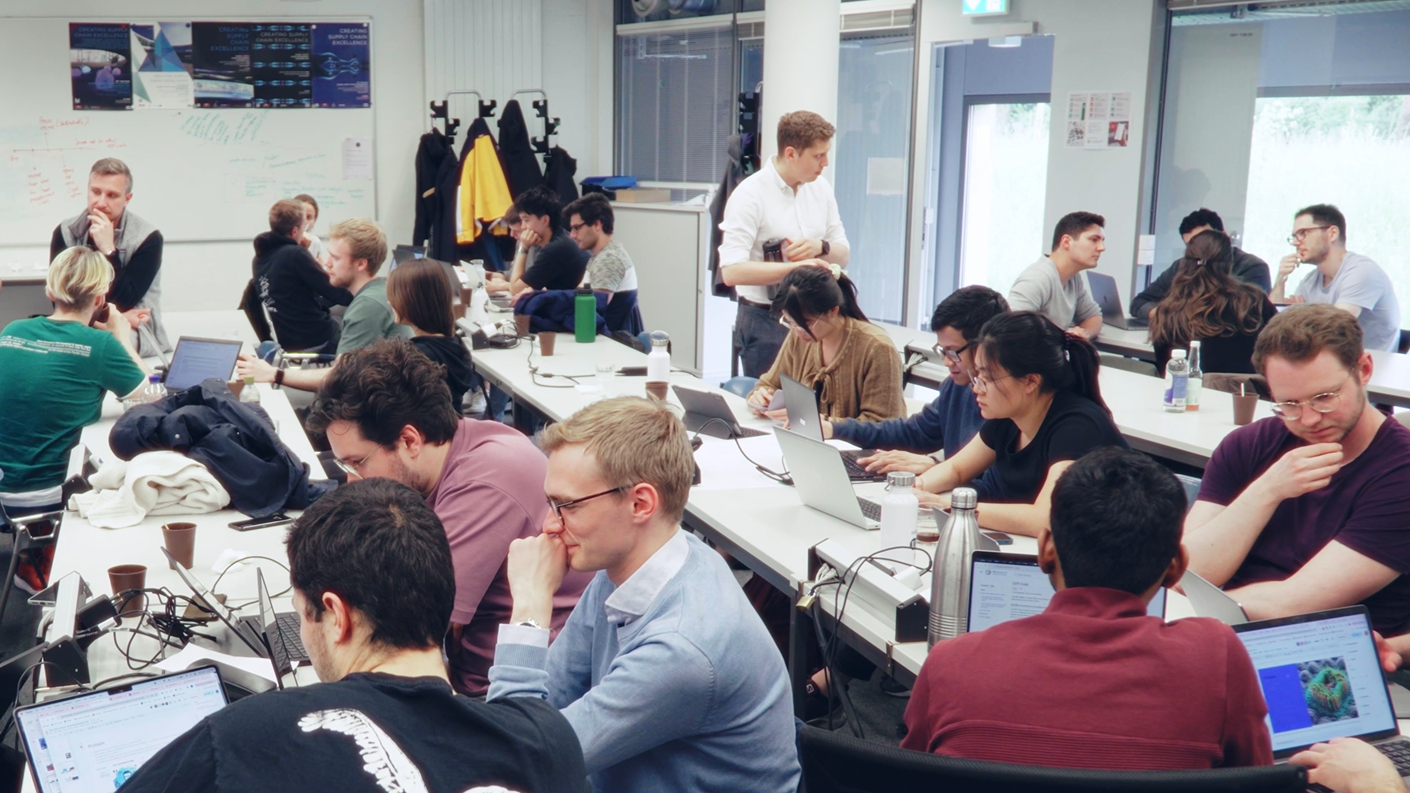
The Sciencepreneurship Summer School: Sustainability & AI took place from April 29 to May 3, 2024, in Lausanne, Switzerland. Its aim was to help participants turn scientific innovations into real-world businesses.

The summer school focused on addressing important issues related to the translation of scientific advancements into tangible societal impact through entrepreneurship. Key focal points included:

  • Understanding the societal benefits of scientific discoveries and navigating the journey from lab to market.
  • Building teams, securing funding, engaging advisors, and establishing legal frameworks.
  • Recognising and overcoming common entrepreneurial challenges through risk mitigation strategies.

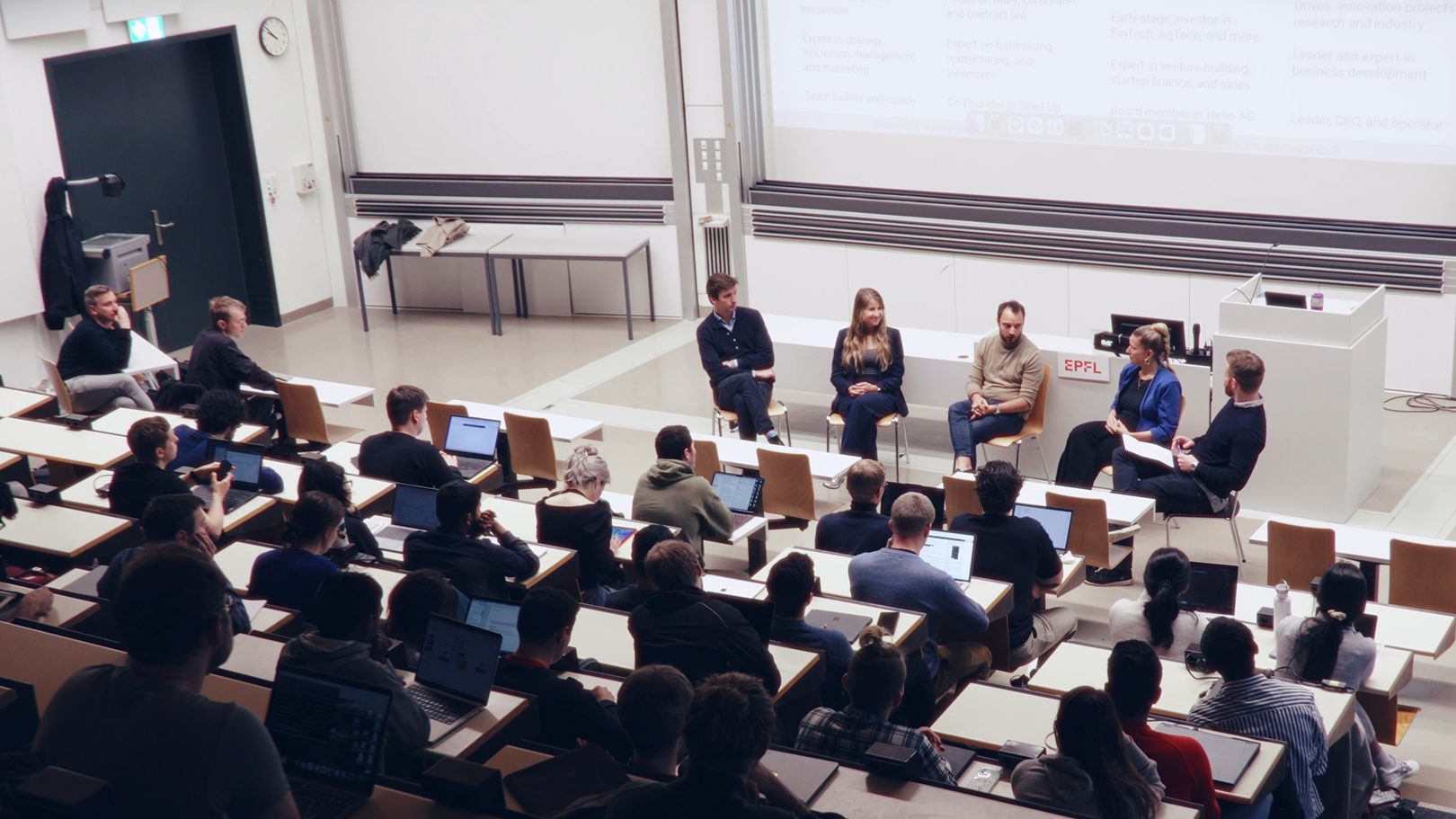
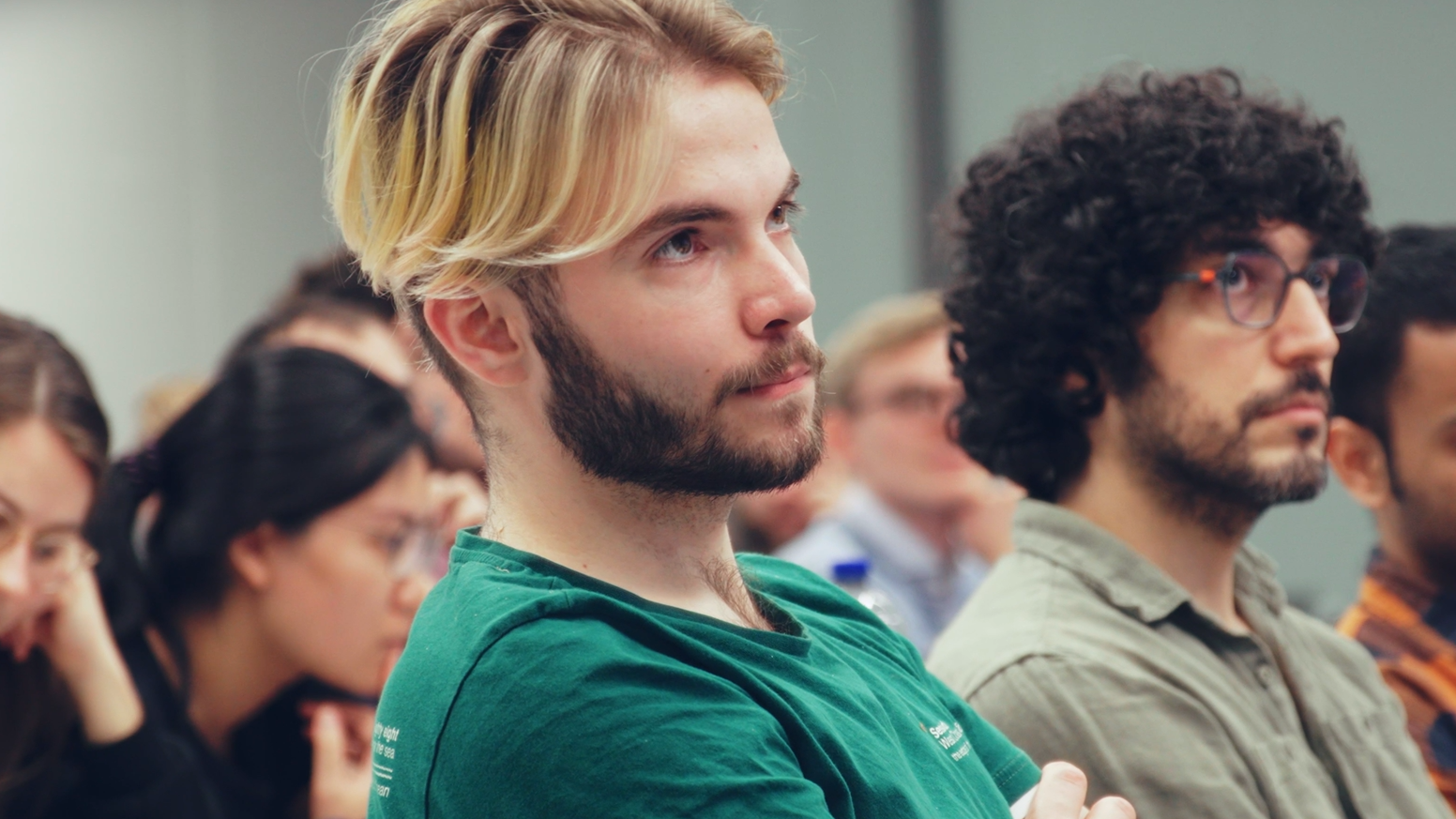
The summer school offered participants a comprehensive framework to leverage the societal impact of scientific breakthroughs. It all kicked off with participants showcasing their scientific innovations and teaming up to co-found ventures,fostering collaborative innovation. Throughout the program, a series of informative talks, hands-on workshops, and lively social events guided teams in shaping their science-based businesses. Keynote speakers shared insights and expertise, fueling the journey of these budding entrepreneurs.

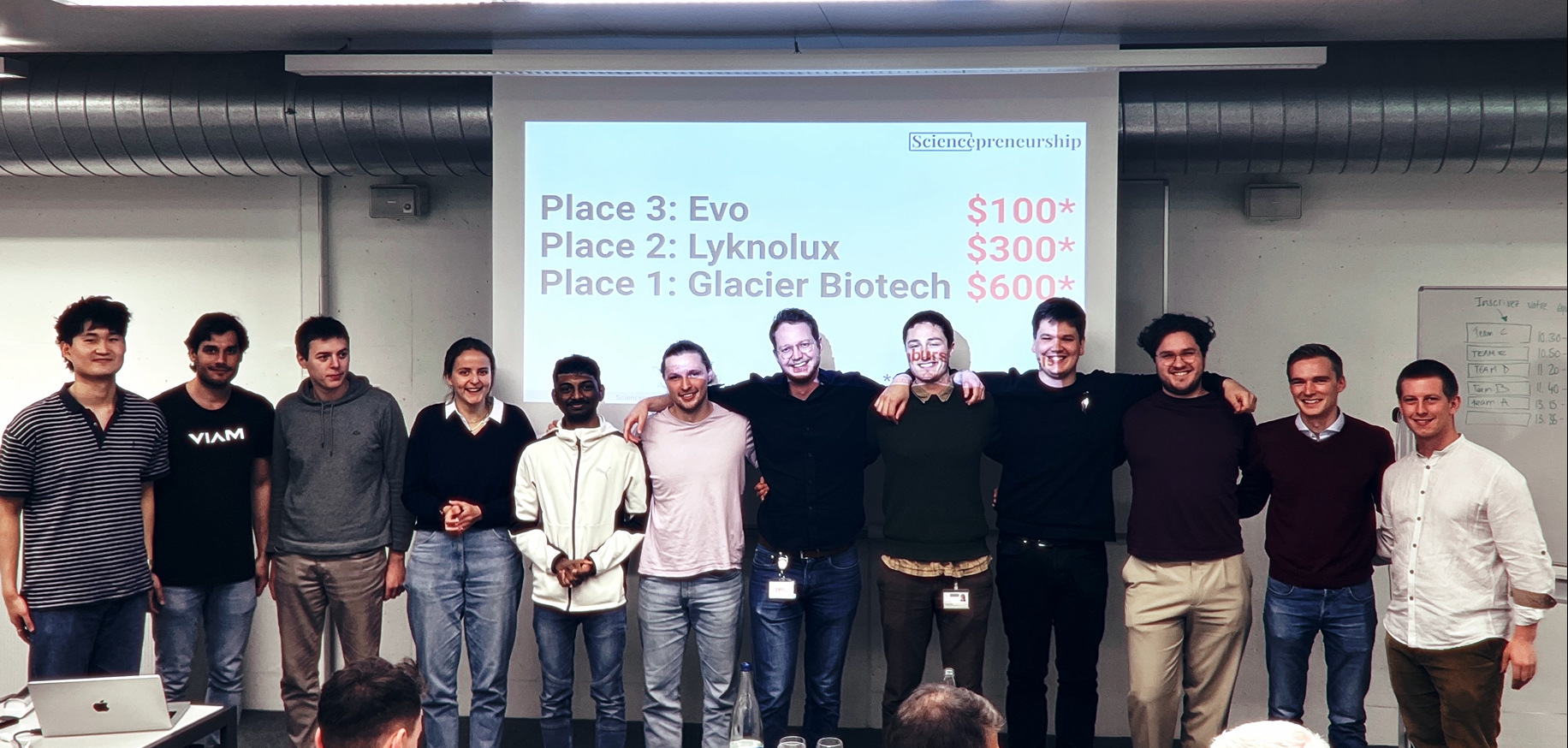
One of the highlights was the chance for participants to pitch their ventures to a jury of real venture capitalists. This provided not only an opportunity to showcase their ideas, but also to receive invaluable feedback. The competition for the prize was fierce, underscoring the ingenuity and entrepreneurial spirit of the participants.

Yann Lecun (Meta)

Overall, the event aimed to equip participants with the knowledge and skills to make a difference in the world through science-based entrepreneurship, while also fostering valuable networking opportunities. A significant benefit of the event was the opportunity for attendees to build networks and meet potential co-founders.

Heartfelt gratitude is extended to the esteemed speakers whose invaluable contributions enriched the discourse, and to all those involved in making the event a success:

Nettra Pan, Oryl Tarun, William Cockayne, Luis Huber, Michelle Tschumi, Max-André Haas, Eva Luethi, Nicola Leuenberger, Aziz Belkhiria, Michael Linder, Till Schlotter, Alexandre Gachet.

The success of the Sciencepreneurship Summer School: Sustainability & AI would not have been possible without the support of our partners:

HPI School of Entrepreneurship, Kellerhals Carrard Startu & VC Desk, QBIT Capital, ETH AI Center, Hasso Plattner Institute, Zürcher Kantonalbank, EPFL – Swiss Federal Institute of Technology Lausanne.

Yann Lecun (Meta)
ELLIS Workshop_4
ELLIS Workshop_5

About the Sciencepreneurship community

The Sciencepreneurship community, a grassroots movement uniting entrepreneurial scientists, experienced sciencepreneurs, and ecosystem players, shares a collective passion for translating scientific discoveries into real-world applications for a better and more sustainable world. Since 2023, the community has proudly hosted the annual Sciencepreneurship Summer School, a premier event convening a distinctive cohort of entrepreneurial graduate students, seasoned sciencepreneurs, and ecosystem players.

For more information: https://sciencepreneurship.ch/


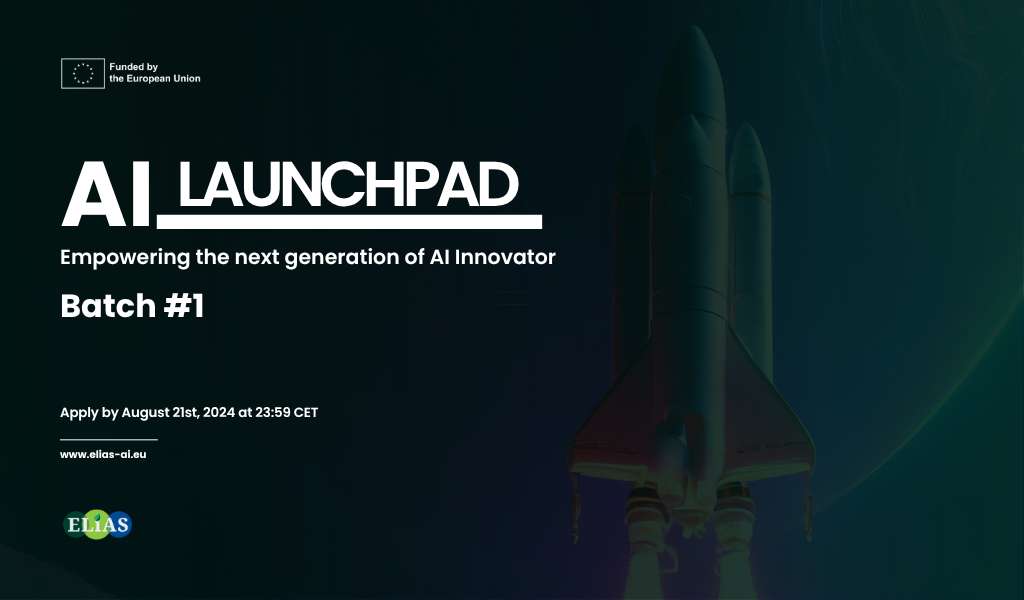
AI Launchpad Batch #1

AI Launchpad Batch #1

What is AI Launchpad?

Are you an entrepreneur in the field of Artificial Intelligence? AI Launchpad is a pioneering pan-European accelerator designed to transform the landscape of AI innovation by nurturing AI Startups emerging from European Universities.

Why should you join?

You will be part of a 12-week local accelerator programme to refine your start-up. Furthermore, you will have access to:

  • A unique community of AI start-ups
  • Shared resources and knowledge from all participating hubs
  • Tailored support, including mentorship and coaching from AI experts and entrepreneurs
  • Workshops and networking events.

Who should participate?

The AI Launchpad is for European university teams of 2-4 students or researchers aiming to create marketable AI products. The goal is to launch a VC-fundable startup with global potential, requiring passion for innovative AI solutions and dedication to the startup journey.

The local accelerators

Choose between one of six local accelerator hubs, each offering a unique and tailored programme for your start-up:

INiTS | Vienna, Austria ETH AI Center & Talent Kick | Zurich, Switzerland
DTU Skylab | Lyngby, Denmark KTH Innovation | Stockholm, Sweden
Campus Founders | Heilbronn, Germany XPLORE Venture Creator | Munich, Germany

Timeline

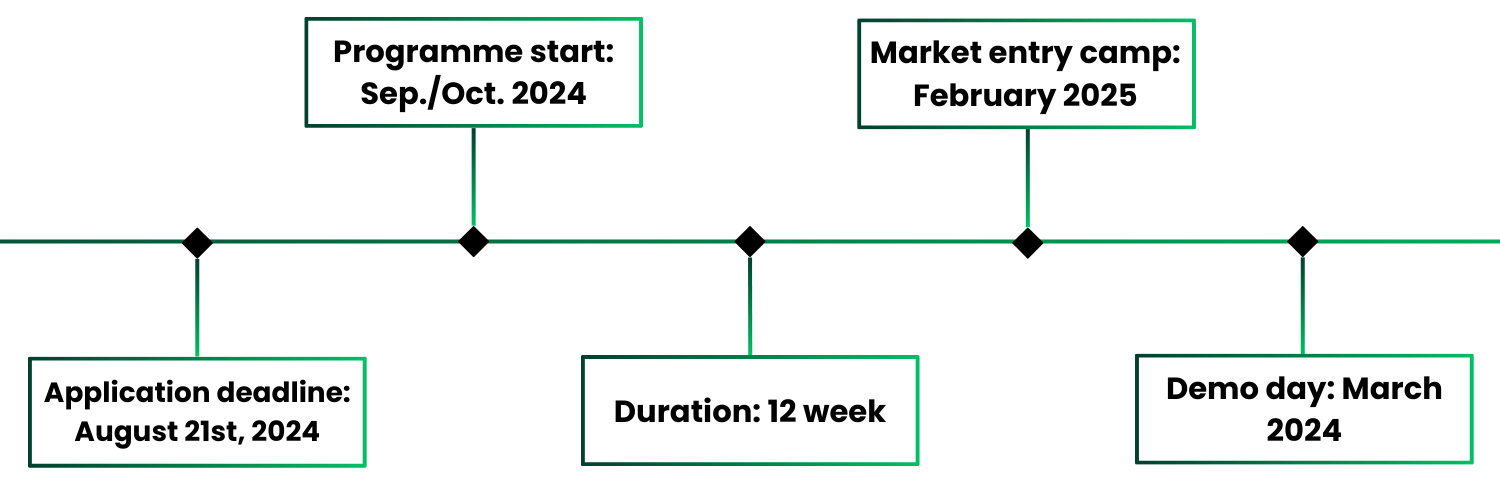
Timeline_AI_Launchpad

Local Accelerator (Starting Sept/Oct)

Choose between one our 6 hubs to be part of a 12-week accelerator programme, allowing you to fully immerse yourself in a vibrant AI ecosystem.

Market Entry Camp (Feb 2025)

The two-week immersive programme in another hub is designed specifically for AI startups that are looking to navigate and strategise their entry into the European market.

Applications are due by August 21st, 2024 at 23:59 CET

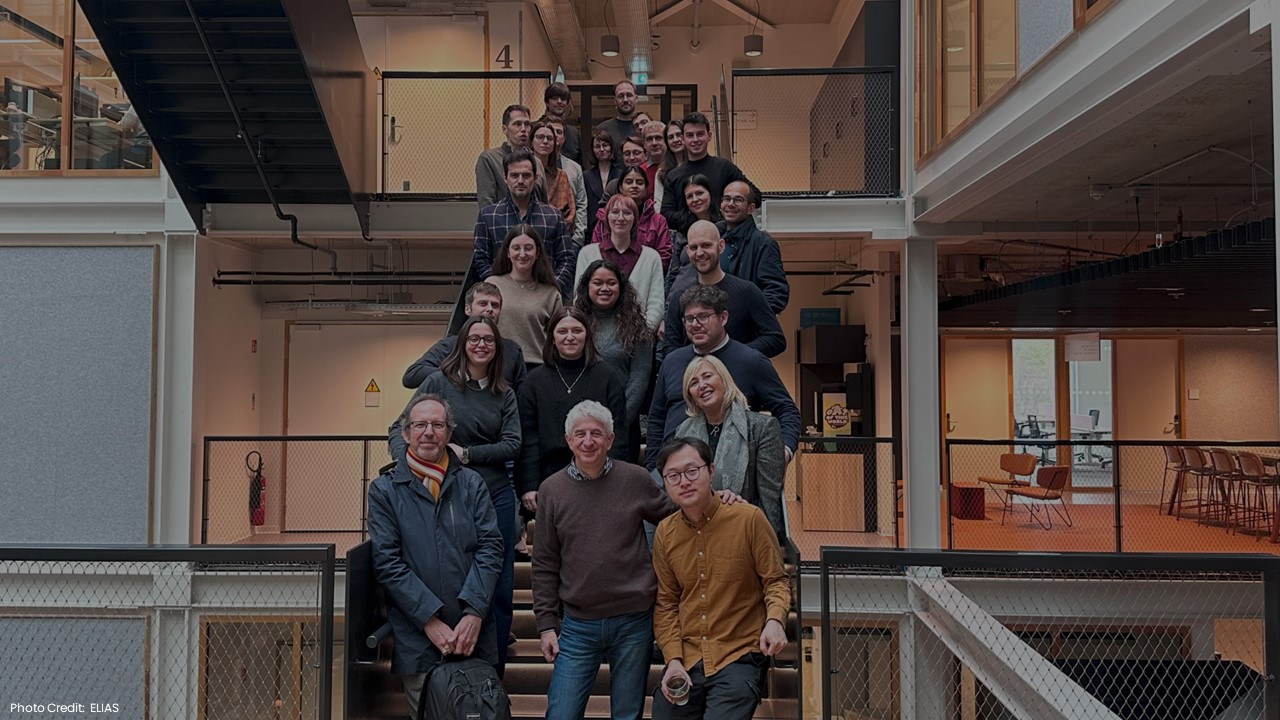
ELIAS Consortium held a successful 3rd project meeting in Amsterdam

ELIAS Consortium held a successful 3rd project meeting in Amsterdam

Amsterdam, Netherlands – March 20-21, 2024

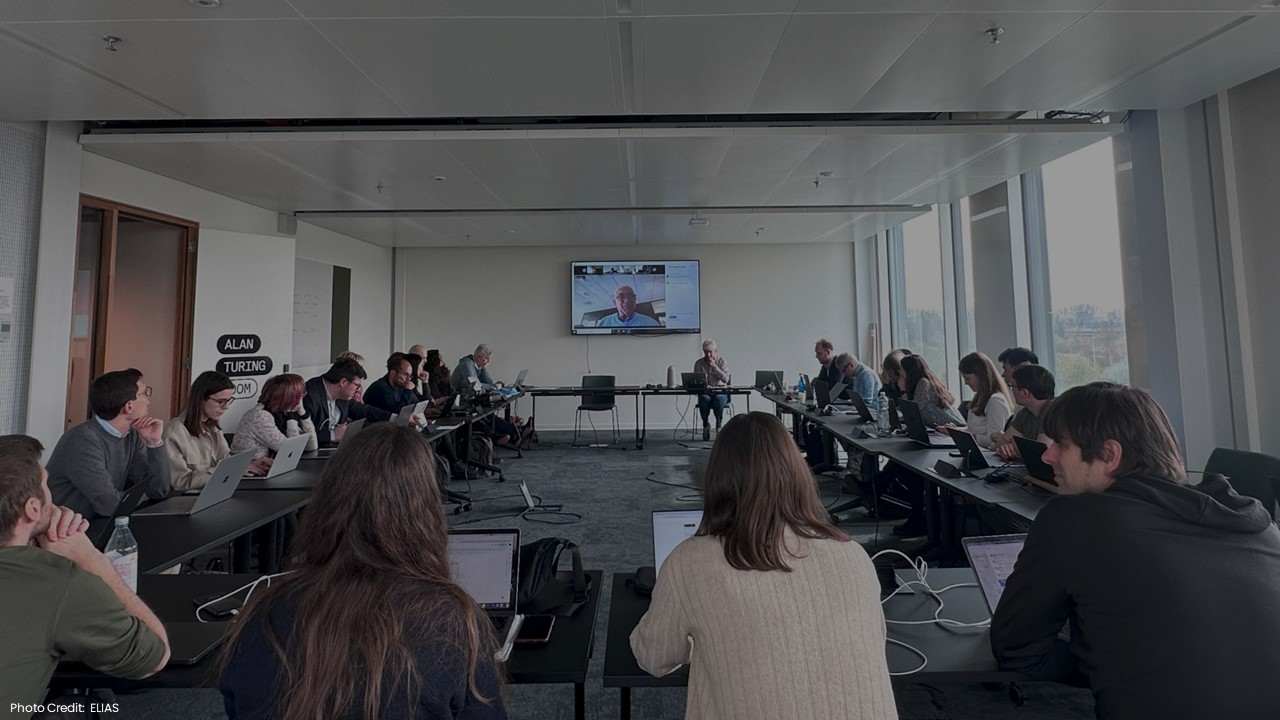
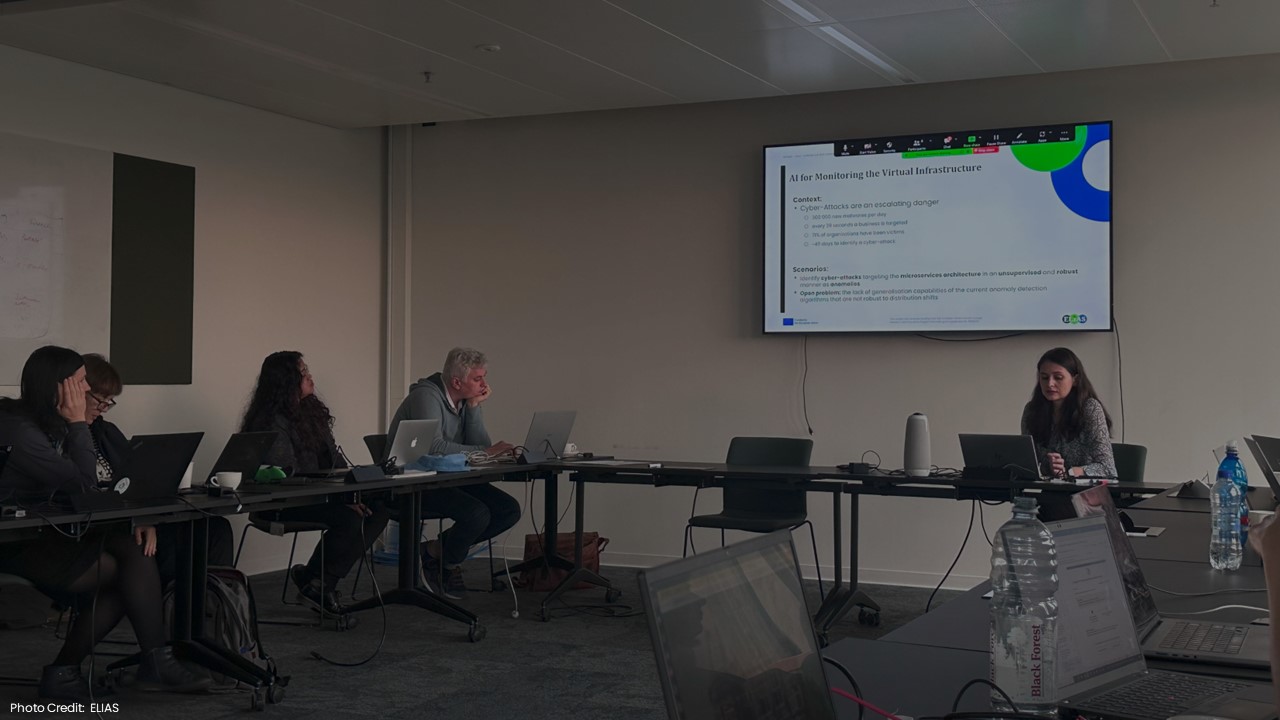
The ELIAS Consortium achieved a significant milestone as it convened for its 3rd project meeting in Amsterdam, Netherlands. Hosted by the University of Amsterdam, this gathering brought together project partners from various institutions to collaborate and drive forward initiatives shaping the future landscape of artificial intelligence (AI) with a special focus on sustainability.

Over the course of two days, the ELIAS Consortium engaged in impactful discussions and innovative deliberations, exploring key topics that ranged from advancing AI-driven design for sustainable systems to ensuring the trustworthiness and transparency of AI applications.

Among the highlights of the meeting were dynamic conversations focused on minimising energy consumption, fostering inclusive economic growth and democracy protection, and establishing robust frameworks for the ethical implementation of AI. These discussions underscored the collective commitment of the ELIAS Consortium to advancing the frontiers of AI research and fostering scientific excellence in Europe, with a strong emphasis on its potential for positive societal impact.

Prof. Dr Nicu Sebe, the Coordinator of the ELIAS project, remarked, “The 3rd project meeting of the ELIAS Consortium has been a resounding success, with vibrant exchanges of ideas and fruitful collaborations among our esteemed partners. We are excited about the innovative outcomes that have emerged from this assembly and look forward to further advancing our shared goals in the field of AI research for sustainability.

Yann Lecun (Meta)
ELLIS Workshop_4
ELLIS Workshop_5

The ELIAS Consortium expresses its gratitude to the University of Amsterdam for hosting this pivotal gathering and extends appreciation to all participants for their valuable contributions.

For more information about the ELIAS Consortium and its initiatives, please visit http://www.elias-ai.eu/

Press Release: ELIAS 3rd Project Meeting – 27/03/2024

AAAI Bridge Programme: Collaborative AI and Modelling of Humans

AAAI Bridge Programme: Collaborative AI and Modelling of Humans

Image source: Freepik

Vancouver, BC, Canada – 21 February, 2024

On February 21, 2024, the AAAI Bridge Program convened at the Vancouver Convention Centre to explore the intersection of AI and human modelling in an initiative aimed at fostering collaboration between artificial intelligence (AI) systems and human users. This workshop, aptly named the AAAI Bridge Programme: Collaborative AI and Modelling of Humans (CAIHu), drew together leading experts and researchers from diverse disciplines to address one of the most pressing questions in AI today: How can humans and AI systems effectively collaborate to tackle complex real-world problems?

The programme, organised in coordination with the ELLIS Robust Machine Learning and Human-centric Machine Learning Research Programmes, received substantial support from various entities, including the EU H2020-funded ELISE project and the CIFAR Pan-Canadian AI Strategy. ELIAS, in collaboration with its partners Finnish Center for Artificial Intelligence FCAI, Aalto University, ELLIS Alicante, University of Manchester, as well as ELLIS Unit Helsinki, Delft University of Technology, University of AlbertaAlberta Machine Intelligence Institute and UK Research and Innovation, played an important role in supporting and organising this significant workshop.

“We need collaborative AI tools to solve tough problems, and these tools work better when they incorporate data and knowledge about humans,” emphasised professor Samuel Kaski, Director of FCAI and Professor at Aalto University.

The workshop featured keynote addresses from prominent figures such as Microsoft’s Chief Scientific Officer, Eric Horvitz, who underscored the critical need for interdisciplinary collaboration in advancing AI research.

Reflecting on the success of the programme, co-organiser Sammie Katt, a postdoctoral fellow at FCAI, emphasised the value of bringing together diverse communities to exchange ideas and perspective and the significance of bridging the gap between disparate research domains.

The programme also included informative sessions, including a tutorial on user modelling for cooperative AI, led by Samuel Kaski and doctoral researcher Sebastiaan de Peuter. The tutorial delved into the intricacies of collaborative AI and the imperative of improving user modelling to enhance human-AI interactions.

One notable aspect of the tutorial was the exploration of preference learning, which seeks to infer underlying objective functions from user preferences. Kaski and de Peuter showcased the potential of leveraging insights from cognitive science to refine user modelling techniques, ultimately leading to more accurate inferences and better recommendations.

With nearly 400 registrations and enthusiastic participation from the AI research community, the CAIHu Bridge Program marked a significant step forward in fostering collaborative research initiatives aimed at harnessing the full potential of AI-human collaboration.

As the programme concluded on a high note, discussions turned towards the possibility of future recurring events, indicating the continued momentum towards advancing collaborative AI research and modelling of human behaviour.

Read here the orginal article: Bridge program at AAAI focused on collaborative AI and modelling of humans

More information on the programme and panels can be found here: Collaborative AI and Modeling of Humans (CAIHu 2024)


Joint ELISE-ELIAS Flagship Workshop: Setting out for AI innovation in Europe

Joint ELISE-ELIAS Flagship Workshop: Setting out for AI innovation in Europe

Joint ELISE-ELIAS Flagship Workshop: Setting out for AI innovation in Europe

The Joint ELISE-ELIAS Flagship Workshop, held on February 7-8, 2024, in Frankfurt, Germany, served as a crucial platform for discussing the future of open-source foundation models and sciencepreneurship in Europe. It brought together leading academic researchers and  industry experts to agree on a roadmap with tangible actions to build the ELIAS Innovation Alliance (EIA). A key objective of the pan-European alliance is  to boost academic education and to join forces on the development of open source foundation models and startups. The workshop was co-rganised with ELISE – European Network of AI Excellence Centres, funded by the European Union’s Horizon 2020 research and innovation programme under grant agreement No 951847. Both AI Excellence Networks, ELISE and ELIAS, are closely related to the European Laboratory for Learning and Intelligent Systems (ELLIS) and committed to driving innovation and excellence in the European AI landscape.

The Future of Open-Source Foundation Models

The pursuit of enhanced generalisation capabilities in machine learning has fuelled a trend towards homogenisation and convergence, with a growing reliance on a few foundational AI systems for a broad array of applications. The first part of the workshop focused on identifying opportunities and approaches for Europe and Academia to play a significant role in shaping the Future of Open-Source Foundation Models.,

Various  speakers, including Yann LeCun from Meta, Katharina Frey from the Swiss Foreign Ministry presenting the ICAIN initiative, Laura Morselli from CINECA & EuroHPC, Jenia Jitsev from LAION, Ce Zhang from Together AI, Samuel Weinbach from IPAI Aleph Alpha, and Daniel Naeff from ETH presenting Swiss AI provided diverse perspectives on leveraging open-source models to foster innovation.

Yann Lecun (Meta)
Yann Lecun (Meta)
ELLIS Workshop_4
Katharina Frey (Swiss Foreign Ministry, ICAIN) 
ELLIS Workshop_5
Jenia Jitsev (LAION, Jülich Supercomputing Center)

Discussions during the sessions spanned various themes from practical applications to the ethical implications of AI advancements and how to  define effective roles for  academia and industry to foster positive innovation for society.

Matthias Bethge, Director of the Tübingen AI Center, ELLIS Fellow, and main organiser of the workshop, highlights: (INSERT QUOTE >> ideally, give some concrete examples summarising the outcomes of the talks)

Building AI: Exploring a new role for Academia

The focus then shifted towards exploring avenues for reinventing innovation within Europe and academia. Considering the pressing demand for fundamental solutions to improve sustainability and societal well-being, Europe and academia should seize the opportunity to spearhead innovation. In the short term, initiatives will be set up to support AI professors in mentoring students towards foundational innovation and to establish an ELIAS graduate project programme. The participants also developed a vision for forming sciencepreneur units and sciencepreneur fellows within the ELLIS network, which will serve as structural enablers for change. The day finished with a short presentation of ELIAS and its initiatives to support the sciencepreneurial community at large. 

Day two focused on entrepreneurship education and innovative projects. Gregor von Dulong presented best practices from building and scaling entrepreneurship education at Hasso Plattner Institute (HPI), while Isabelle Siegrist shared insights on how to set up a pan-European accelerator. As a tangible example of applying AI for sustainability, Wieland Brendel introduced Polybot, a flexible robot designed to enable sustainable agriculture with polycultures. Connecting these diverse projects is a common theme highlighting the strategic importance of fostering cross-border and cross-disciplinary collaborations in driving AI startups forward.


ELLIS Workshop_4
Isabelle Siegrist (ETH Zürich)

Additional spotlight presentations rounded off the program: Steffen Schneider from KI macht Schule (bringing AI to the classroom), Le Viet from La Famiglia (VCs backing EU tech ventures) and Beyza Ermis from Cohere AI (building multilingual AI through open science).

The workshop participants then split up into breakout groups, tackling key challenges and opportunities in the field of sciencepreneurship, with a focus on building the ELIAS Innovation Alliance (EIA). EIA aims to boost academic education around the open-source development of foundation models, supported by a network of incubators and startups building proprietary products around this concept. Aligned with the vision of ELLIS, it seeks to mobilise European talent in AI innovation through a network of members, fellows, and units.

Niculae Sebe, Professor at the University of Trento and Coordinator of the ELIAS project, highlighted: “This workshop was one of the initial steps towards establishing a pan-european sciencepreneurial network and bringing together leaders from academia and industry. It presented an excellent opportunity to lay the foundation for the future ELIAS Innovation Alliance.”

ELLIS Workshop_1
ELLIS Workshop_4

Concrete outcomes of the workshop and break-out groups include proposals for annual meetings, transformative technology summer schools, hackathons, pioneer awards, MSc graduate programs, pan-European accelerators, and calls for sciencepreneur fellows and units, all of which underscore the networks’ collective commitment to fostering innovation in Europe.